


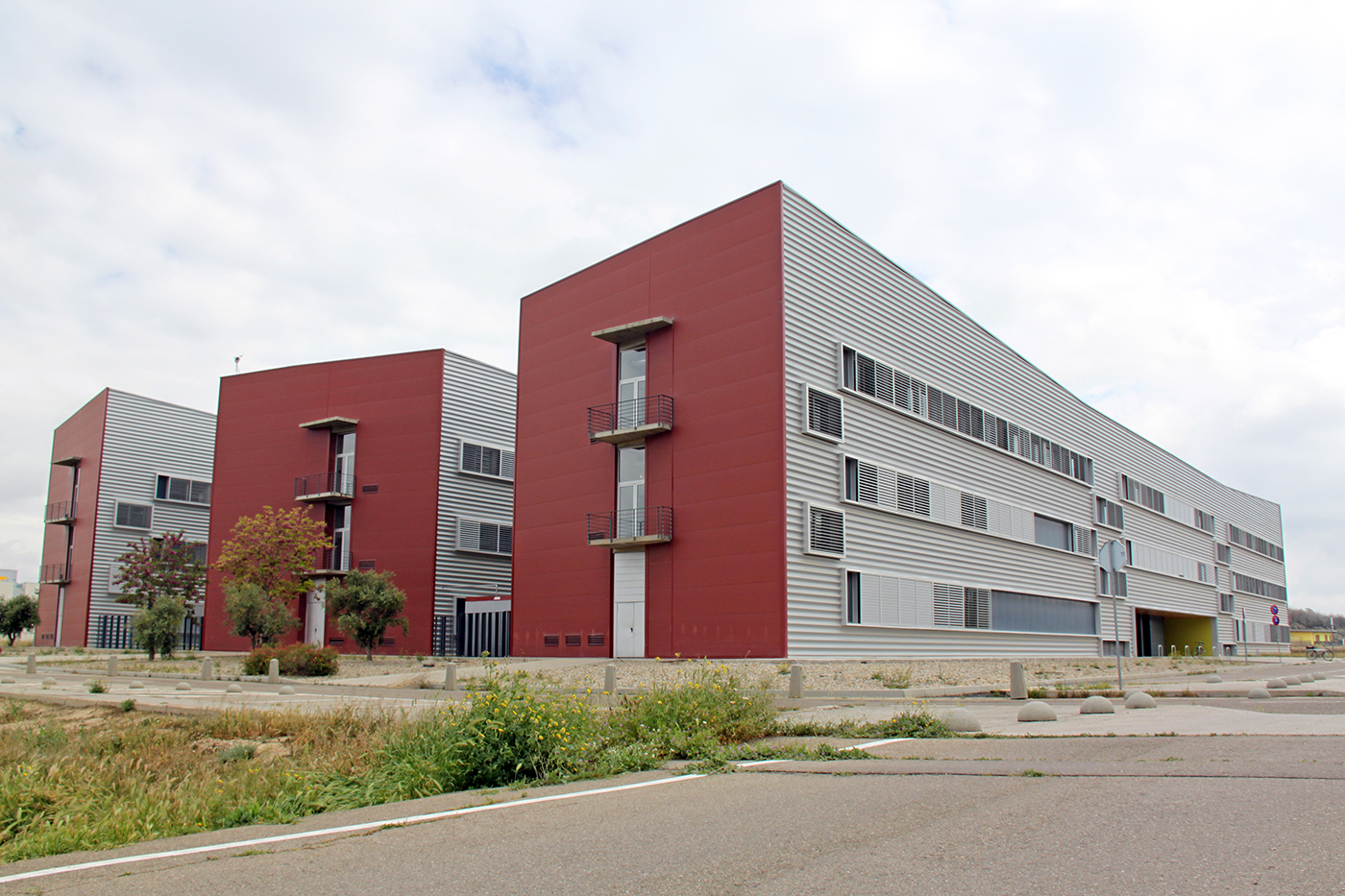
The Institute for Biocomputation and Physics of Complex Systems (BIFI) is one of the research institutes associated to the University of Zaragoza. It was founded in October 2002 as part of an effort of the University and the regional government (DGA) to support basic research and applications of complexity concepts and methods to phenomena in fields as diverse as Cellular Biology, Physics and Social Sciences.
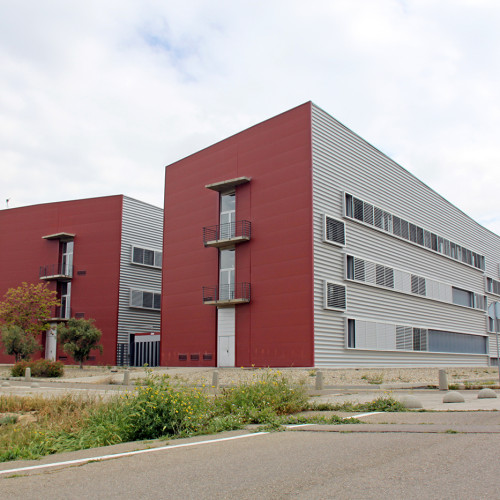
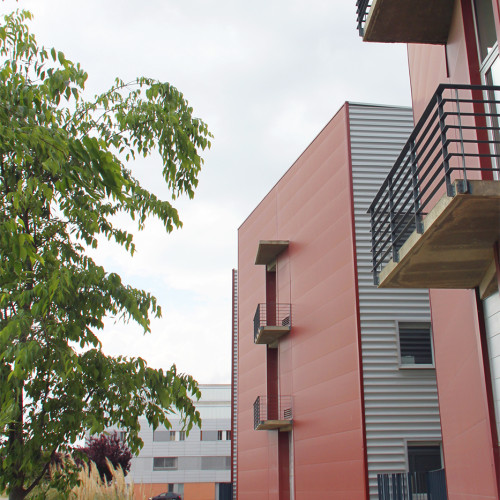

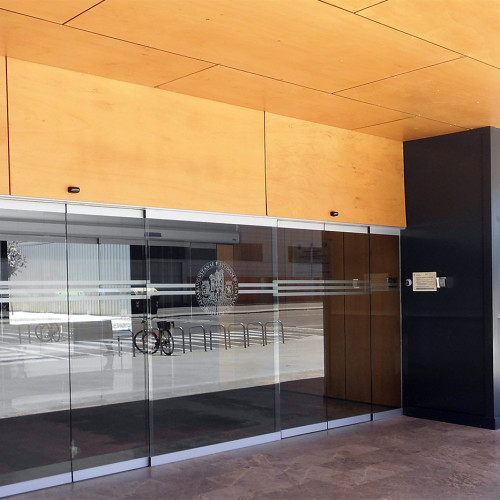
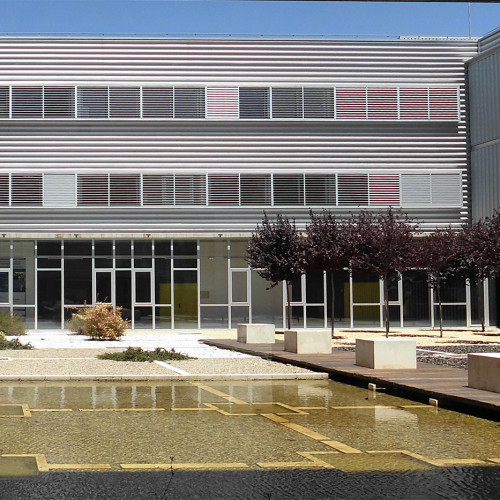
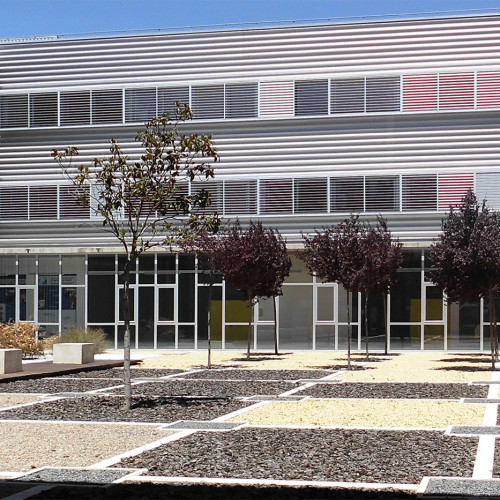
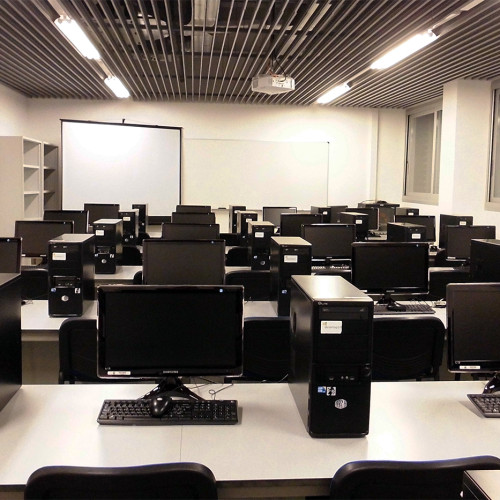
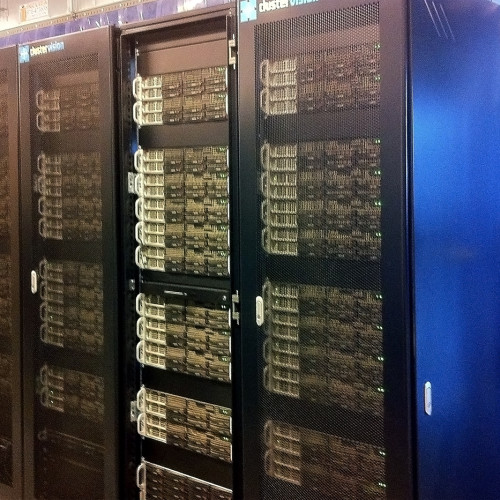
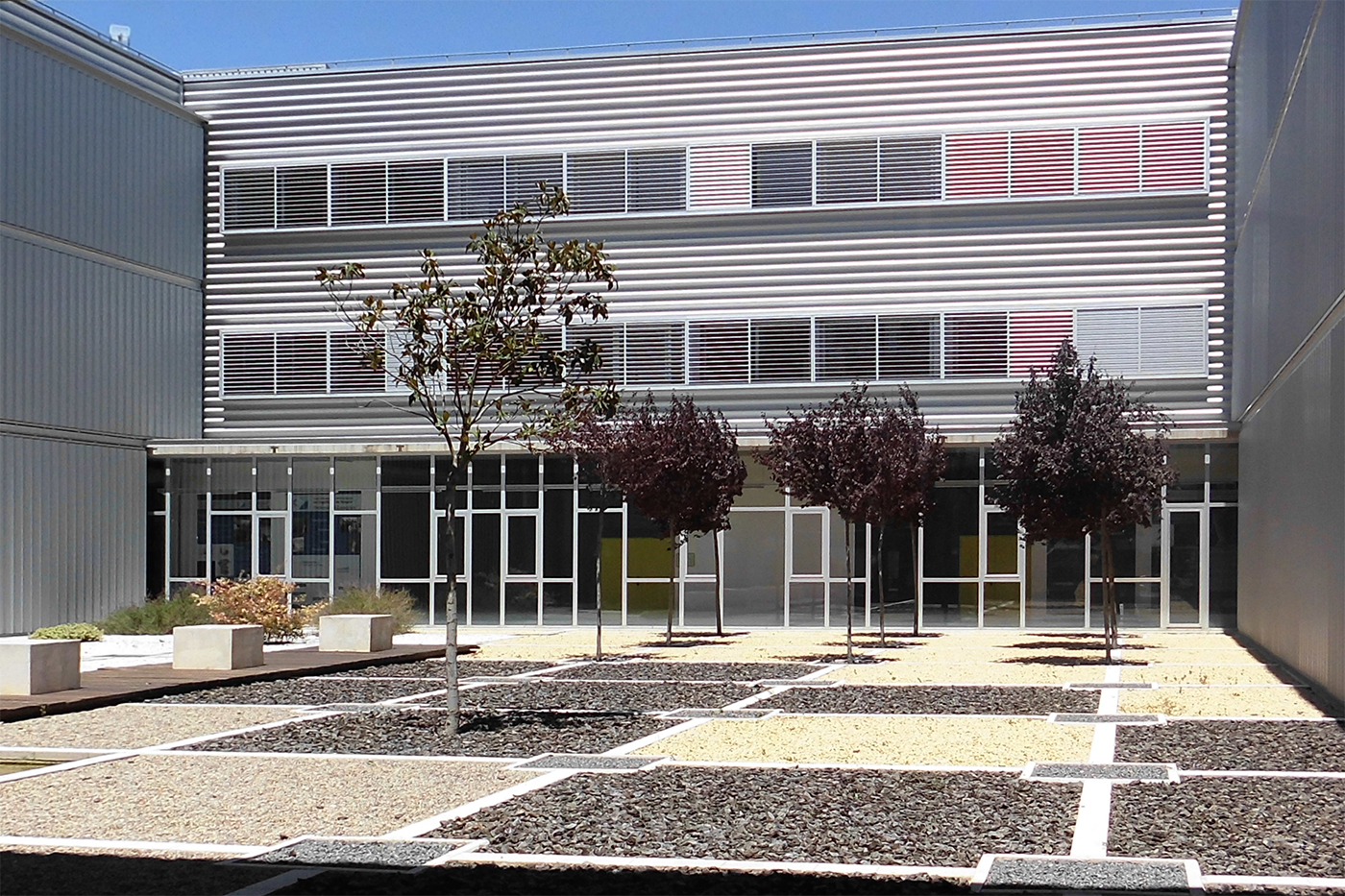
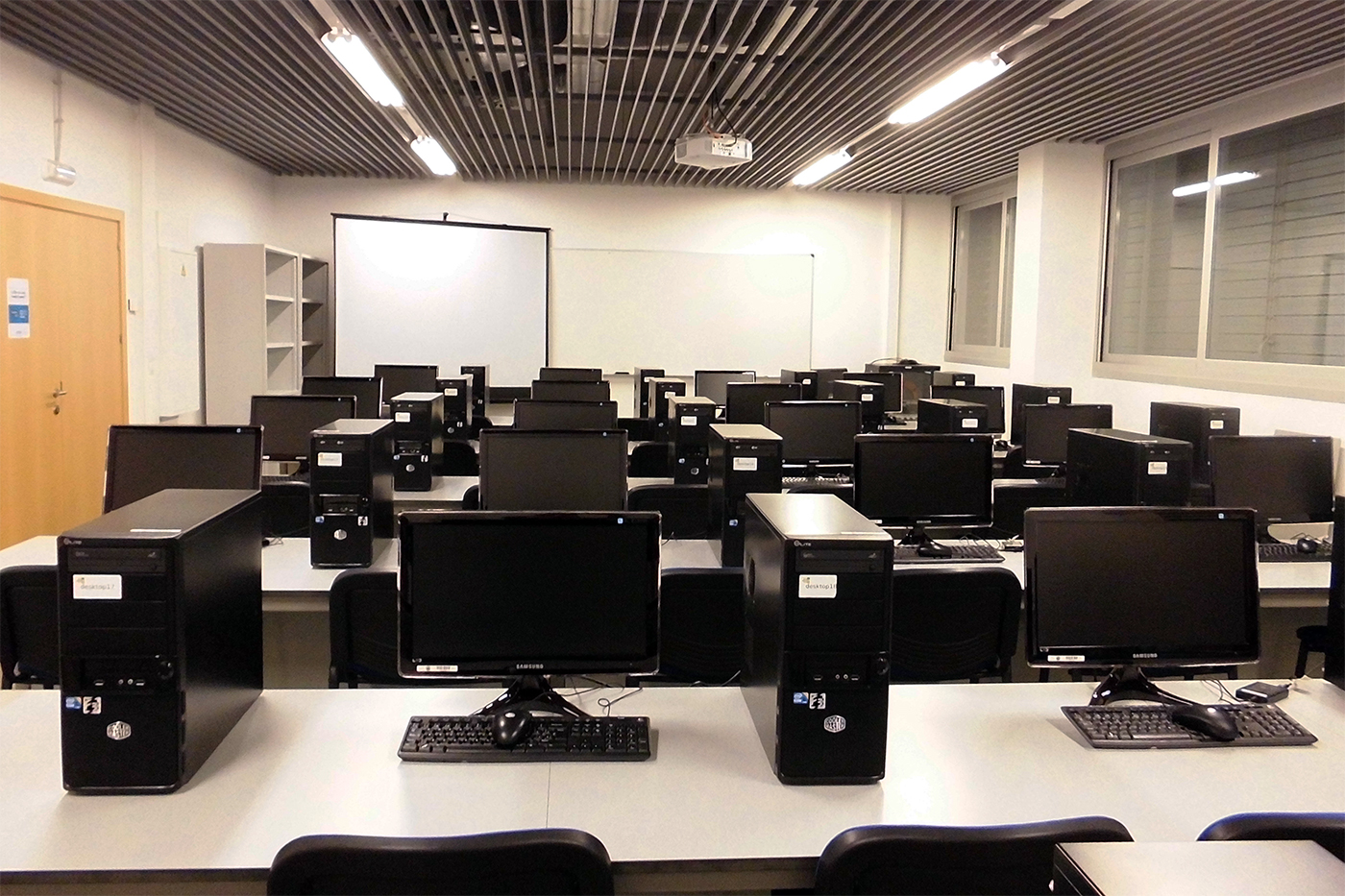
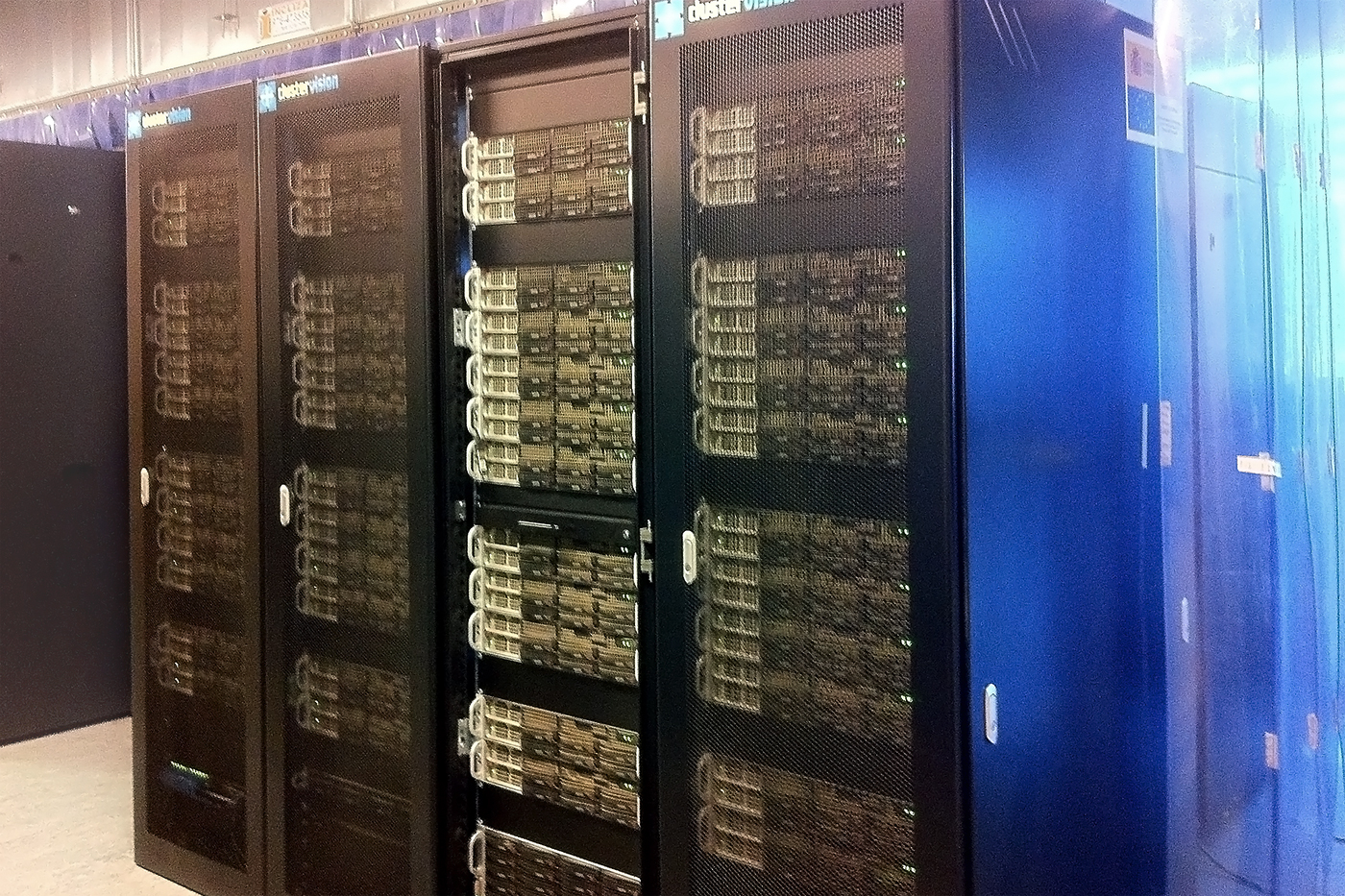
An important part of BIFI’s computing resources is hosted in the Supercomputing Laboratory, which operates several high-performance computing platforms. The most prominent system today is Agustina, the current HPC supercomputer of the Centro de Supercomputación de Aragón (CESAR). Agustina is an ICTS node of the Spanish Supercomputing Network (RES) and provides state-of-the-art High Performance Computing and Cloud Computing infrastructures for researchers and companies. The system comprises 6,144 AMD EPYC 7513 cores, 25.4 TB of RAM, high-speed InfiniBand 100 Gbps interconnects, and 500 TB of storage under Lustre. It reaches a peak performance of 511 TFLOPS and uses an energy-efficient InRow water-cooling system. Recent extensions include dedicated GPU nodes featuring 12 NVIDIA H100 GPUs (80 GB) and 36 NVIDIA L40S GPUs (48 GB), each set distributed across high-memory nodes, significantly boosting the center’s capabilities in AI, simulation, and data analytics.BIFI manages CESAR and provides user support, training, and access procedures.
The University of Zaragoza, located in the capital of the Autonomous Community of Aragón, was founded in 1474 and is one of the oldest universities in the world. The University is the main centre of technological innovation in the Ebro Valley and has over 40.000 students in its faculties.